

Your roof serves as your home’s primary shield against harsh weather, from scorching summer heat to heavy winter snow. Regular maintenance extends its lifespan, prevents expensive repairs, and maintains energy efficiency year-round. Neglecting seasonal checks can lead to issues like leaks, mold growth, or structural damage that escalate quickly. By following a structured approach to roof care, homeowners can spot problems early, ensure proper drainage, and protect their investment.
This guide provides practical, actionable tips tailored to each season, drawing from expert recommendations on inspections, cleaning, and repairs. Whether you’re handling basic tasks yourself or scheduling professional help, staying proactive builds peace of mind and safeguards your family. Implement these strategies to keep your roof strong through every weather cycle, saving time and money in the long run.
Why Seasonal Roof Maintenance Matters
Consistent roof care throughout the year protects against seasonal stresses like UV rays, heavy rain, ice dams, and debris buildup. It minimizes wear on materials, reduces energy loss through better attic ventilation, and prevents small issues from becoming costly emergencies. Regular upkeep also preserves warranties, boosts home value, and enhances safety by avoiding hazards like weakened shingles or clogged gutters.
Homeowners who inspect twice annually and after storms catch problems early, extending asphalt shingle life from 15-30 years. Proactive habits like trimming branches and clearing moss lead to lower utility bills and fewer insurance claims. Ultimately, seasonal maintenance ensures your roof performs reliably, providing long-term durability and peace of mind against unpredictable weather.
Essential Year-Round Tasks
These core maintenance practices form the foundation of roof care, applicable every season to prevent common issues and extend lifespan.
Inspect Regularly
Conduct visual ground-level checks twice yearly for missing shingles, damaged flashing, or sagging. Use binoculars safely; note granule loss in gutters indicating wear. Early spotting averts leaks. Annual professional inspections uncover hidden damage for comprehensive protection.
Clean Gutters
Remove leaves, twigs, and debris from gutters/downspouts 2-4 times yearly for optimal drainage. Clogs cause backups, rot, and interior harm. Flush with hose; ensure downspouts flow freely away from foundation. Prevents water damage effectively.
Trim Branches
Prune overhanging trees to stop shingle abrasion and storm debris. Reduces moss, algae, pests; avoids falling limb impacts. Keep 10-foot clearance minimum. Enhances roof durability year-round.
Seasonal Maintenance Guide
- Spring: Assess winter damage like cracked shingles or loose flashing. Clean gutters for rain runoff; trim branches; treat moss/algae stains with gentle cleaners. Check the attic for moisture to prevent mold.
- Summer: Inspect for heat-induced curling or blistering. Ensure attic vents are clear to avoid overheating. Monitor seals around vents; address algae promptly in humid conditions.
- Fall: Thoroughly clear leaves from roof and gutters to prep for winter. Repair loose shingles; inspect flashing and chimneys. Document condition with photos for records.
- Winter: Watch for ice dams and heavy snow; use roof rakes safely from ground. Verify insulation prevents heat loss; avoid roof climbing in icy weather.
These steps adapt to each season’s challenges, ensuring comprehensive care.
When to Call a Professional
Certain tasks exceed safe DIY limits due to height, complexity, and risk. Hire experts for shingle replacement, flashing repairs, moss removal, or storm damage assessment. Professionals use specialized tools to fix mold, rot, or structural issues without voiding warranties. They also identify hidden problems like poor ventilation or decking weakness during annual inspections.
Attempting these yourself can cause further damage or injury. Opt for licensed contractors offering workmanship guarantees for peace of mind. Early professional intervention saves thousands by preventing escalation.
Common Roof Problems and Prevention
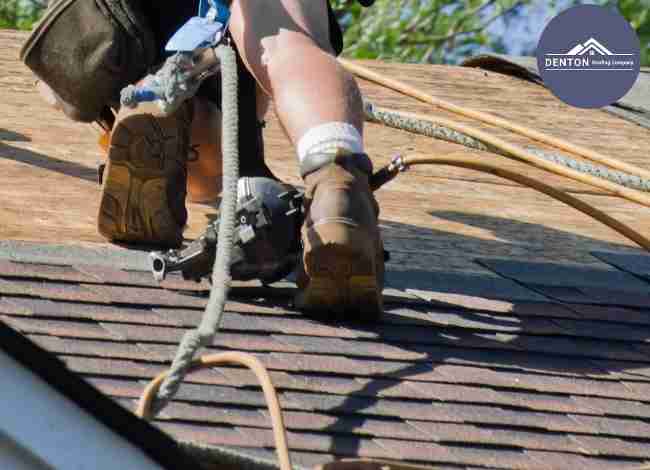
Leaks from cracked shingles or failing flashing top the list, often worsened by clogged gutters. Shingle deterioration shows as granule loss or curling from UV exposure. Mold and algae thrive in shaded, damp areas, trapping moisture.
Structural sags signal overload from snow or rot. Prevent these through routine debris removal, ventilation checks, and sealing gaps. Monitor attics for stains or odors indicating hidden issues. Addressing early keeps costs low and maintains integrity.
DIY vs. Professional Maintenance
Homeowners can safely manage basic roof upkeep with precautions, while complex tasks require expert intervention for safety and effectiveness.
Safe DIY Tasks
Perform ground-level inspections, ladder-based gutter cleaning, debris removal via blowers, branch trimming, and attic checks for leaks or ventilation. Always use stable ladders, gloves, and safety gear to minimize risks effectively.
Professional Tasks Only
Leave roof climbs, shingle replacements, flashing repairs, moss treatment, ice dam removal, and full inspections to licensed pros. They ensure code compliance, proper techniques, and warranty protection while avoiding injury or further damage.
Year-Round Benefits
Maintaining your roof delivers lasting advantages beyond repairs.
| Benefit | Description | Impact |
|---|---|---|
| Longevity | Extends shingle life by addressing wear early. | Adds 5-10 years to roof span. |
| Cost Savings | Prevents major fixes through prevention. | Reduces bills by 20-30%. |
| Energy Efficiency | Improves insulation and ventilation. | Lowers HVAC use year-round. |
| Home Value | Boosts appeal with documented care. | Increases resale offers. |
| Warranty Protection | Meets manufacturer requirements. | Avoids claim denials. |
FAQs
What are the most important seasonal roof maintenance tips?
- Clean gutters regularly.
- Inspect shingles and flashing.
- Trim overhanging branches.
- Schedule annual professional checks.
How often should gutters be cleaned?
Clean gutters 2-4 times yearly, more frequently with heavy tree cover. Always clear before storms to prevent water backups, rot, and interior damage. Flush with a hose and verify downspouts direct water away from foundations.
How do I handle roofing maintenance for rainy seasons?
Clear debris promptly from surfaces and gutters. Check and reseal flashing or vents. Ensure attic ventilation prevents moisture buildup. Monitor ceilings and attics for leaks after heavy rain to address issues swiftly.
Does regular maintenance extend roof life?
Yes, proactive care spots wear like granule loss or cracks early, preventing escalation. It maintains ventilation, reduces moss, and preserves seals, adding 5-10 years to asphalt shingles while boosting energy efficiency.
Final Thoughts
Embracing roofing maintenance tips for all seasons transforms routine care into a powerful strategy for home protection. From spring inspections to winter monitoring, these habits safeguard against weather extremes, cut costs, and enhance comfort. Document your efforts with photos and records to support warranties and insurance.
While DIY tasks build good habits, pair them with professional inspections for comprehensive coverage. Invest time now to avoid future headaches—your roof will reward you with decades of reliable service. Stay vigilant, prioritize safety, and enjoy a secure home through every season.