
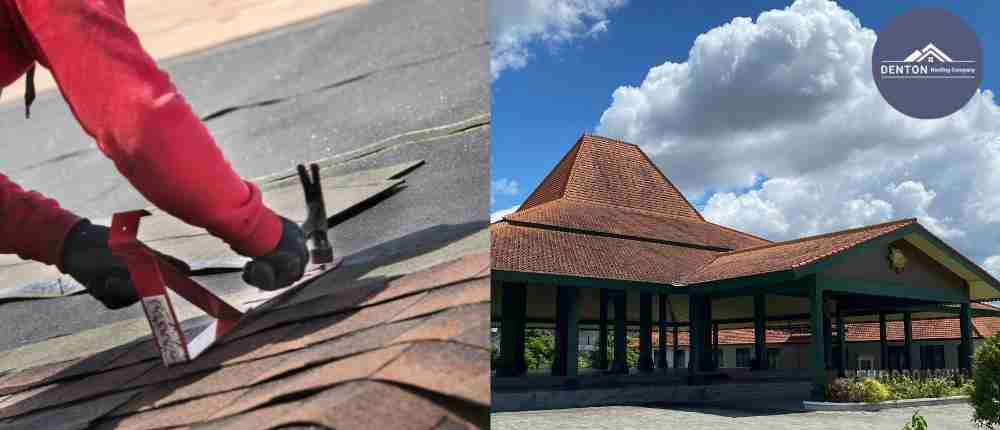
When it comes to keeping your home or commercial building safe, deciding between a roof repair and a roof replacement is crucial. Roof repair is usually the go-to solution for minor issues like small leaks, damaged shingles, or localized wear.
It’s cost-effective, quicker, and extends the life of your existing roof without a major investment. Roof replacement, on the other hand, is necessary when the damage is widespread, the roof is aging, or structural issues are present.
While it’s a bigger upfront expense, a full replacement ensures long-term protection, energy efficiency, and can even increase property value.
Understanding the difference between roof repair vs roof replacement can save you money and prevent further damage. Regular inspections and timely action help determine which option is best, ensuring your roof continues to protect your building effectively for years to come.
Roof Repair vs Replacement: Key Differences Explained
Roof repair addresses specific issues like shingles or leaks on newer roofs, extending life cost-effectively. Replacement strips old materials for a full new system, ideal for aged roofs. Repairs finish fast; replacements last longer.
When Repair Suffices
Minor damage like wind-lifted shingles or small leaks responds well to repairs. These fixes restore protection without full overhaul, ideal if the roof is under 15 years old and structurally sound. Act early to avoid escalation.
Signs Replacement Is Needed
Widespread issues like curling shingles, sagging decks, or recurring leaks signal end-of-life. Granule loss in gutters or multiple bald spots indicate failing adhesion. Age nearing 20-30 years tips the scale.
Key Factors to Consider
- Roof Age: Primary indicator most asphalt roofs last 20-30 years. Beyond this, repairs become temporary, leading to frequent calls and higher cumulative costs.
- Damage Extent: Isolated spots (under 25% of surface) favor repair; widespread curling, cracking, or missing materials across sections demand replacement to avoid structural risks.
- Leak Frequency: Single leaks may need patching; repeated ones in varying areas suggest systemic failure, making replacement more economical.
- Geographical Weather: Harsh climates with hail, heavy snow, or high winds accelerate wear. Storm-prone areas benefit from proactive replacement for resilience.
- Cost Over Time: Repairs start cheap but add up; replacement upfront expense yields warranties (20+ years) and energy savings.
- Home Plans: Long-term stay justifies replacement for value boost; short-term sale may suit minimal repairs for curb appeal.
Cost Comparison
Upfront, repairs cost less hundreds to low thousands for shingles or flashing while replacements range thousands to tens of thousands based on size, pitch, and materials.
Asphalt remains economical; premium options like metal or tile extend life but raise initial outlay. Hidden factors inflate repairs: matching faded colors or uncovering rot.
Replacements include tear-off, disposal, and upgrades like better insulation. Long-term, frequent repairs surpass single replacement, especially on aging roofs. Financing eases burden, and energy-efficient materials cut utility bills. Rising material costs (up 30% recently) favor timely action.
Long-Term Benefits of Each Option
Replacement offers superior durability, modern materials for energy efficiency, and peace of mind with warranties. New roofs enhance curb appeal, boost property value, and reduce maintenance. Repairs provide immediate relief, preserving existing investment when damage is minor.
They avoid waste, suit younger roofs, and maintain aesthetics without full disruption. Both prevent escalation mold, rot, insulation loss but replacement resets lifespan fully.
Energy gains from reflective shingles or ventilation shine in extremes. Weigh ownership duration: long-term favors replacement; interim suits repair.
Professional Inspection Importance
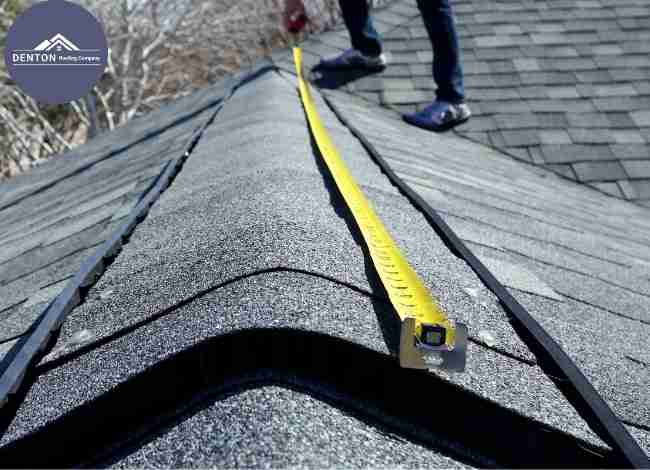
Hire experts for thorough checks they spot hidden moisture, deck rot, or ventilation flaws invisible to untrained eyes.
What Inspections Reveal
Inspections examine shingles, flashing, underlayment, decking, and structure thoroughly. They determine if damage is localized for repair or widespread, signaling replacement needs to prevent future failures and costs.
Benefits of Expert Advice
Professionals provide detailed quotes comparing repair versus replacement costs. They ensure budget-friendly choices with warranties, quality materials, and long-term reliability, avoiding repeated fixes and structural risks.
Environmental and Energy Factors
Modern replacements prioritize sustainability and efficiency, unlike patchwork repairs.
- Energy Savings: New underlayment, ventilation, and reflective materials stabilize temperatures, lowering bills year-round.
- Waste Reduction: Recycling shingles cuts landfill use; repairs minimize initial debris but may repeat.
- Durability Choices: Weather-resistant options like architectural shingles or metal withstand storms better.
- Longevity Impact: Upgrades reduce resource use over decades versus ongoing fixes.
Making Your Decision
Cost and Value Comparison Table :
| Aspect | Roof Repair | Roof Replacement |
|---|---|---|
| Upfront Cost | $300–$3,000 | $5,000–$20,000+ |
| Timeline | 1 day | 3–7 days |
| Lifespan Extension | 5–10 years | 20–70 years |
| Best For | Minor, localized damage | Widespread wear, old roofs |
| Long-Term Savings | Limited if recurring | High via warranties, efficiency |
FAQs
When should I choose repair over replacement?
Repair works best for roofs under 15 years old showing isolated damage, such as a few missing shingles or a single leak. It extends lifespan cost-effectively when the structure remains sound overall, avoiding unnecessary full overhaul while addressing immediate issues promptly.
How do I know if my roof needs full replacement?
Signs include multiple recurring leaks, sagging sections, age over 20 years with granule buildup in gutters, or damage affecting over 25% of the surface. These indicate systemic failure where repairs become temporary and inefficient long-term.
Is repair or replacement more cost-effective long-term?
Replacement proves more cost-effective as repeated repairs accumulate expenses exceeding a one-time replacement cost. It eliminates hidden issues, provides warranties up to lifetime, boosts energy efficiency, and prevents escalation like mold or rot, saving money over decades.
Does roof age matter most?
Yes, roof age matters most nearing or exceeding 20-30 years for asphalt shifts value to replacement. Materials degrade predictably; continued repairs on old roofs lead to frequent failures, higher cumulative costs, and risks outweighing benefits of minor fixes.
Final Thoughts
Choosing between roof repair and replacement hinges on honest assessment of age, damage, and goals. Repairs excel for minor fixes on sound roofs, saving upfront while extending use.
Replacement delivers enduring protection, efficiency, and value for aged systems. Professional inspections demystify options, preventing costly mistakes. Prioritizing prompt action neglect breeds mold, rot, and escalation.
Modern materials enhance resilience against weather extremes. Whether patching or overhauling, quality workmanship ensures longevity. Consult experts for tailored guidance, safeguarding your home investment with confidence and foresight.