
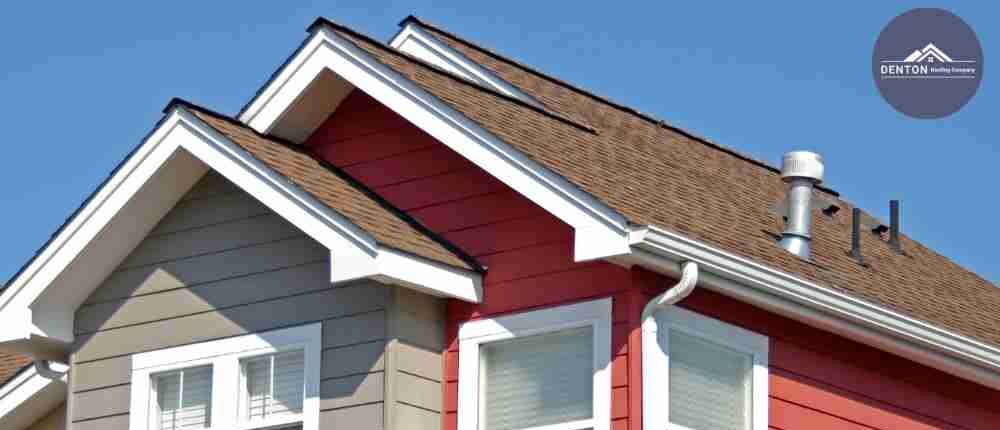
Homeowners often overlook their roof until problems become obvious, but early detection of warning signs can prevent costly damage. A deteriorating roof exposes your home to leaks, mold, and structural issues, turning a manageable project into an emergency.
Regular inspections reveal subtle changes like aging materials or minor wear that signal replacement time. By recognizing these indicators, you protect your investment and ensure long-term safety.
Age as the Primary Indicator
Your roof’s age reliably predicts its condition, as materials degrade despite maintenance. Asphalt shingles last 15-30 years; metal or tile endures longer.
Harsh weather accelerates wear even intact roofs near lifespan need evaluation. Professionals uncover hidden issues like weakened underlayment for proactive planning.
Asphalt Shingles Lifespan
Standard asphalt shingles endure 15-20 years in moderate climates but degrade faster under intense sun or humidity. Granule loss and brittleness signal UV erosion of protection, indicating replacement time to prevent leaks and further damage.
Premium Shingle Durations
Architectural shingles provide 20-30 years durability with reinforced layers for better curling resistance. They still face thermal cycling and moisture challenges. Inspect roofs over 20 years old to plan proactive replacement effectively.
Long-Lasting Alternatives
Metal roofs last 40-70 years with minimal upkeep, offering heat reflection benefits. Tile exceeds 50 years if supports stay sound. Age alone justifies inspection across types to avoid unexpected failures.
Common Exterior Warning Signs
- Curling or cupped shingle edges indicate moisture loss and UV damage, allowing wind uplift and water entry.
- Cracked or ripped shingles result from thermal expansion, hail, or age, exposing the underlayment to elements.
- Missing shingles after storms signal adhesive failure, leaving gaps that worsen rapidly.
- Bald spots from granule loss reveal asphalt, accelerating deterioration as UV protection vanishes.
- Dark streaks or moss growth traps moisture, lifting shingles and promoting rot in shaded areas.
- Damaged flashing around vents or chimneys permits leaks at seams, often overlooked from ground level.
These visible cues demand attention, as ignoring them leads to interior damage. Granules in gutters confirm widespread wear.Interior Red Flags
Leaks manifest inside first through water stains on ceilings or walls, often far from the entry point as moisture travels along beams. Musty odors, peeling paint, or damp insulation signal ongoing intrusion.
Attic checks after storms reveal these issues early. Sudden energy bill spikes occur when poor insulation forces HVAC overwork. Daylight through roof boards confirms breaches. Mold risks health and requires prompt remediation.
Structural Concerns
Sagging rooflines or wavy sections signal serious structural weakening, often from prolonged moisture rot or excessive loads like heavy snow. These droops pose immediate collapse risks, compromising your home’s safety.
Check from street level across the street or inside the attic for any uneven dips or bends in rafters. Rotting decking from unchecked leaks is the primary culprit, softening wood supports over time.
Foundation shifts rarely trigger this alone but can contribute. Never climb on the roof yourself, use binoculars for ground views.
This issue demands urgent professional evaluation, as temporary patches won’t suffice. Ignoring sagging escalates to ceiling damage, mold growth, and costly full replacements.
Early intervention by licensed contractors stabilizes the structure, preventing disasters and preserving property value. Always prioritize safety over DIY attempts when spotting these red flags.
Damage from Weather Events
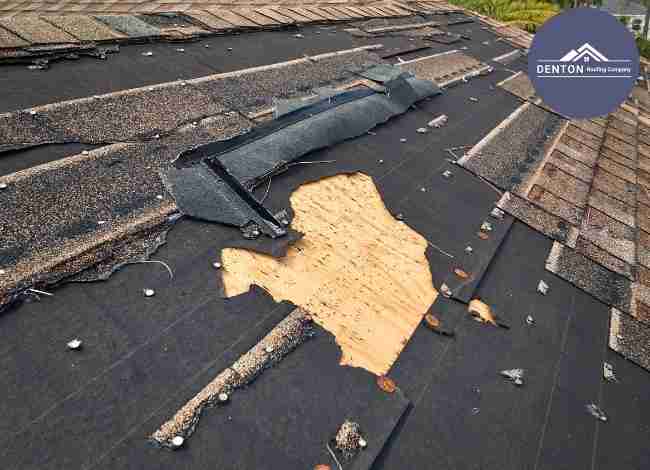
Severe weather like hail, high winds, and ice rapidly accelerates roof failure by targeting weak points in shingles and flashing. Post-event inspections reveal hidden damage early, preventing leaks and structural issues.
Hail Damage Effects
Hail creates dents, fractures, or granule loss on shingles, varying by stone size, speed, and roof temperature. Gutters often show distortions too. Impact-resistant shingles help mitigate effects, but always inspect thoroughly after storms for lasting protection.
Wind and Ice Impacts
High winds rip loose aged or brittle shingles, exposing underlayment to rain. Ice dams form in cold weather, forcing meltwater under edges and into the deck. Both require immediate repairs to prevent widespread leaks and rot.
Algae and Moss Risks
Airborne algae stains cause dark streaks, trapping dirt and moisture. Moss growth in shaded, cool areas lifts shingles and erodes granules over time. Professional soft washing removes buildup safely without ladder risks or shingle damage.
Ongoing Maintenance Signals
Frequent repairs, such as patching recurring leaks or replacing individual shingles, signal your roof is nearing the end of its lifespan. These temporary fixes on aging roofs prove wasteful, as new failures emerge soon after due to widespread material fatigue.
Excessive granules accumulating in gutters indicate the protective layer is eroding, leaving asphalt vulnerable to UV rays and cracking.
Rusted nails pop out, and deteriorated flashing fails to seal vents or chimneys effectively, inviting water intrusion. If neighbors in similar-era homes are replacing roofs, yours likely faces the same aging pressures from shared weather exposure.
Poor attic ventilation traps heat and moisture, accelerating shingle breakdown. When repair costs exceed 30% of replacement value or affect multiple areas, full re-roofing becomes the smarter, more economical choice. Schedule a professional inspection to confirm and plan ahead.
Quick Comparison Guide
Use this table to assess urgency based on signs observed.
| Sign Category | Low Urgency (Repair) | High Urgency (Replace) |
|---|---|---|
| Age | Under 15 years | 20+ years |
| Shingles | Few missing/cracked | Widespread curling, bald spots |
| Interior | Minor stains | Multiple leaks, sagging |
| Weather | Isolated hail dents | Granule loss, moss overgrowth |
| Repairs | Occasional patching | Frequent, >30% affected |
FAQs
How often should I inspect my roof?
Perform annual professional inspections to catch subtle wear like granule loss or minor cracks early. Add thorough checks after major storms, hail, or high winds.
Homeowners can do ground-level visual reviews seasonally using binoculars for safety. Early detection prevents small issues from escalating into full replacements.
Does insurance cover replacement?
Homeowners insurance typically covers sudden perils like hail, wind, or fallen trees causing roof damage. Age-related wear, poor maintenance, or gradual deterioration isn’t covered by policies excluding normal aging.
Always document regular inspections and upkeep to support claims. Review your policy details and file promptly after covered events.
Can I repair part of an old roof?
Partial repairs work only for isolated damage on roofs under 15 years old, like a few missing shingles from wind. Mismatched materials on older roofs fail quickly, leading to leaks elsewhere.
Full replacement proves more cost-effective long-term, ensuring uniform protection and warranty coverage across the entire surface.
What if I see multiple signs?
Multiple signs like curling shingles, leaks, and granule loss indicate systemic failure nearing end-of-life. Don’t delay schedule a licensed roofing professional for an immediate inspection to assess the full extent.
Acting fast avoids water damage, mold, and structural risks, saving thousands in emergency repairs compared to proactive replacement.
Final Thoughts
Spotting signs like age, damage, or leaks empowers proactive decisions, safeguarding your home from water intrusion and structural threats. A new roof boosts curb appeal, energy efficiency, and value while preventing mold or rot.
Consult licensed contractors for quotes and inspections delaying amplified costs. Prioritize safety by acting on early warnings rather than waiting for disasters. Your roof deserves attention to maintain lasting protection.