
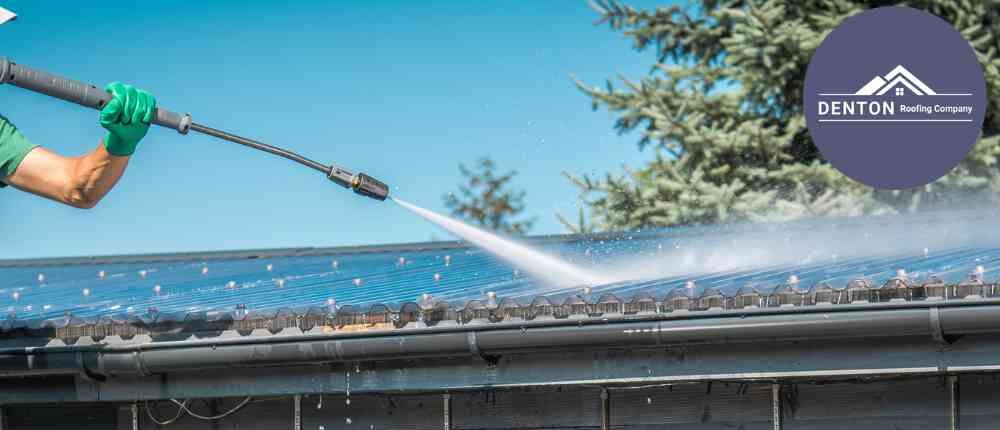
Keeping your roof clean is key to both your home’s appearance and its long-term durability. Over time, shingles and tiles attract dirt, moss, algae, mold, and dark streaks, making even well-maintained homes look worn.
Roof pressure washing can remove these unsightly buildup quickly, restoring a fresh, vibrant look. However, roofs are designed to shed rainwater, not handle concentrated jets of water, so using the wrong pressure or technique can cause serious damage.
Understanding how roof pressure washing works, its advantages, potential risks, and safer alternatives empowers homeowners to make informed decisions, protect their investment, and maintain a roof that looks great for years to come.
Typical Roof Issues Homeowners Face
Roofs are constantly exposed to the elements, which makes them prone to developing stains, moss, algae, lichen, and general debris accumulation over time.
Moisture, shade, and fluctuating temperatures create ideal conditions for these growths, particularly on shaded slopes or areas near trees.
While some issues are mostly cosmetic, others can compromise the roof’s integrity, causing accelerated wear, water retention, and potential leaks.
Homeowners may notice dark streaks, green patches, or granular loss on shingles. Regular inspections, careful cleaning, and timely maintenance are essential to protect the roof’s lifespan, preserve curb appeal, and prevent expensive repairs.
Roof Pressure Washing: What Homeowners Should Know
Roof pressure washing is a widely used method for removing moss, algae, dirt, and stains from rooftops. Many homeowners consider it a quick solution for improving curb appeal, but it’s important to understand both the benefits and potential risks involved.
Quick Visual Improvement
Pressure washing can rapidly remove surface dirt, moss, and algae, restoring the roof’s appearance. It enhances curb appeal and prevents buildup that can trap moisture.
However, these results are often temporary, as underlying causes of growth remain untreated, requiring regular maintenance for lasting effectiveness.
Potential Roof Damage
High-pressure water can damage shingles, tiles, and underlayment if used improperly. Granules may be stripped from asphalt shingles, tiles may crack, and water can seep under layers, causing leaks or rot. Proper technique and equipment are essential to avoid costly repairs.
Safety Considerations
Operating a pressure washer on a roof involves significant safety risks. Ladders, slopes, and heavy equipment can lead to falls or accidental damage. Professional training and caution are advised to prevent injury and protect your property.
Pros and Cons of Roof Pressure Washing
Pros:
- Quickly removes visible dirt, moss, algae, and stains
- Improves overall curb appeal
- Can extend roof life by eliminating moisture-trapping debris
- Efficient cleaning for large surface areas
- May reduce the need for harsh chemical treatments
- Restores more even roof coloration
- Helps prepare surfaces for inspection or repairs
- Cost-effective compared to full roof replacement
- Useful for certain durable roofing materials
- Removes buildup that may block proper drainage
Cons:
- Risk of shingle damage or granule loss
- Potential water intrusion beneath roofing layers
- May void roofing warranties
- Temporary results if root causes aren’t treated
- Can spread debris across the roof surface
- Not suitable for delicate materials like wood shake or slate
- Safety risks when operating equipment on slopes
- Requires skill to control pressure properly
- May damage flashing and underlayment
- Can lead to costly repairs if done incorrectly
Soft Washing as a Safer Alternative
Soft washing is widely considered a safer and more effective alternative to traditional roof pressure washing. Instead of relying on force, soft washing uses low-pressure water combined with specialized cleaning solutions to break down algae, moss, and mold at the root.
This method protects roofing materials while delivering longer-lasting results. Low-pressure application reduces the chance of lifting shingles or forcing water into vulnerable areas.
Cleaning solutions target organic growth directly, preventing rapid regrowth. Soft washing is especially recommended for asphalt shingles, tile, and other sensitive materials.
While pressure washing focuses on surface removal, soft washing addresses the underlying cause of stains, offering a more comprehensive approach to roof maintenance.
How Roof Materials Respond to Pressure
Not all roofs are created equal. Asphalt shingles contain protective granules that can be dislodged by high pressure. Wood shakes are porous and prone to splintering.
Clay and concrete tiles can crack if sprayed improperly. Even metal roofing, though durable, may lose protective coatings under excessive force.
Understanding material tolerance is critical before considering roof pressure washing. What works on concrete may be harmful on shingles.
Gentle methods preserve structural layers and protective finishes. Evaluating the age, condition, and type of roofing material ensures that cleaning improves longevity rather than reducing it.
The Importance of Professional Roof Cleaning
Roof cleaning is not just about appearance; it is about protection and long-term performance. Professionals assess roof condition, identify vulnerable areas, and select appropriate cleaning methods. Safety equipment, controlled pressure settings, and proper chemical dilution all contribute to effective results.
Why Professional Expertise Matters
Trained technicians understand how different materials react to pressure and cleaning agents. They inspect for loose shingles, damaged flashing, and weak underlayment before starting.
This prevents further harm and ensures cleaning enhances rather than compromises roof durability. Expertise reduces risk and delivers consistent outcomes.
When Should You Consider Roof Pressure Washing?
Roof pressure washing may be appropriate under certain conditions, particularly when dealing with durable materials and heavy surface debris. However, evaluation is essential before proceeding.
Consider it when:
- The roof is structurally sound and relatively new
- Surface staining is minimal and not deeply embedded
- The roofing material can tolerate moderate pressure
- Professional assessment confirms it is safe
- Alternative methods are not sufficient
- Immediate visual improvement is required
In many situations, gentler cleaning approaches remain the safer long-term choice. Careful inspection helps determine the best path forward.
Maintenance Frequency and Long-Term Care
Regular maintenance prevents severe buildup and reduces the need for aggressive cleaning. Roofs exposed to shade, humidity, or overhanging trees may require more frequent attention. Proactive care extends lifespan and preserves curb appeal.
| Maintenance Task | Recommended Frequency | Purpose |
|---|---|---|
| Visual Roof Inspection | Twice per year | Identify damage early |
| Gutter Cleaning | 1–2 times per year | Ensure proper drainage |
| Soft Wash Treatment | Every 2–3 years | Remove organic growth |
| Debris Removal | As needed | Prevent moisture retention |
| Professional Assessment | Annually | Maintain structural integrity |
FAQs
Can pressure washing damage shingles?
Yes. Using high-pressure water on shingles can strip away protective granules, loosen them, and compromise their integrity. Over time, repeated exposure reduces the lifespan of asphalt roofing materials, increasing the risk of damage, leaks, and the need for costly repairs.
Is soft washing better than pressure washing?
Soft washing uses low pressure combined with specialized cleaning solutions to target algae, moss, and other growth at the root. It is safer for delicate roofing materials, minimizes damage, and provides longer-lasting results compared with high-pressure washing that can harm shingles.
Can pressure washing cause roof leaks?
Yes. High-pressure water can be forced under shingles or flashing, allowing moisture to penetrate the roof deck. This can lead to leaks, interior water damage, mold growth, and deterioration of structural components, potentially resulting in costly repairs and compromised roof longevity.
What are safer roof cleaning options?
- Soft washing with biodegradable solutions
- Gentle rinsing using a garden hose
- Professional cleaning services
- Manual debris removal
Final Thoughts
Maintaining a roof’s appearance and durability requires careful consideration of cleaning methods. High-pressure washing can deliver fast results, but improper use may damage shingles, tiles, or underlayment.
Gentler approaches like soft washing often provide longer-lasting results while addressing underlying issues such as moss, algae, and mold.
Assessing your roof’s age, material, and condition ideally with professional guidance ensures that maintenance protects both structural integrity and curb appeal.
Thoughtful decisions about cleaning techniques help homeowners preserve their investment, extend roof life, and keep their property looking pristine for years to come.